 Business License
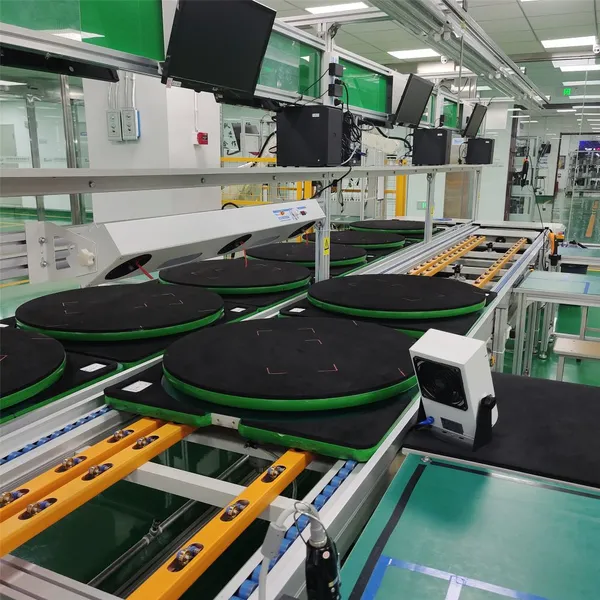
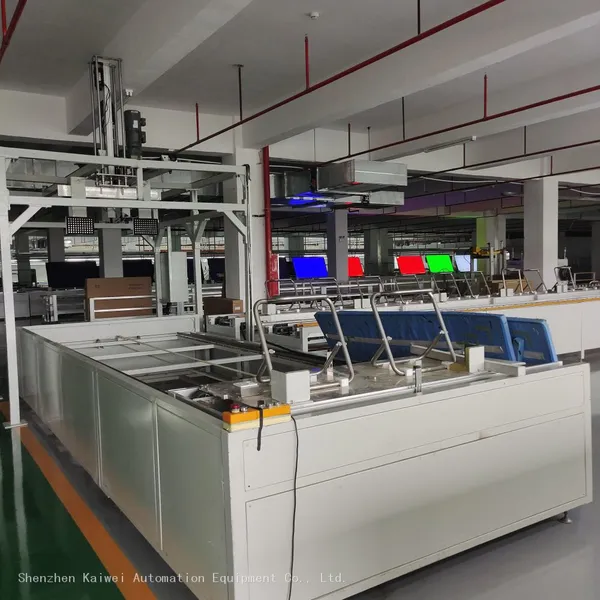
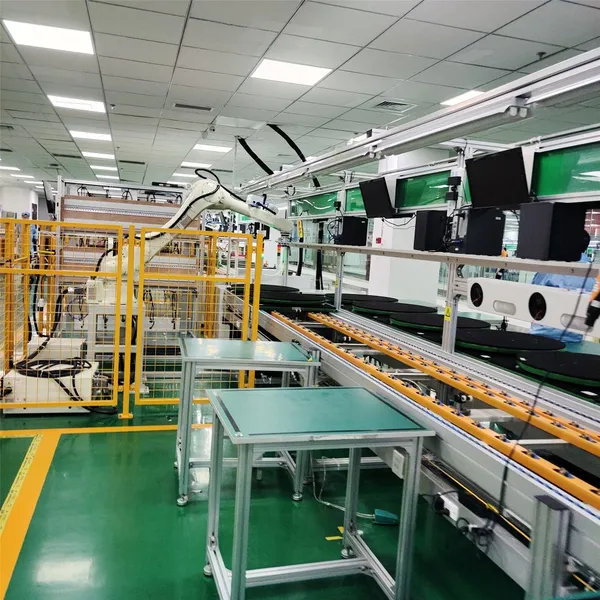
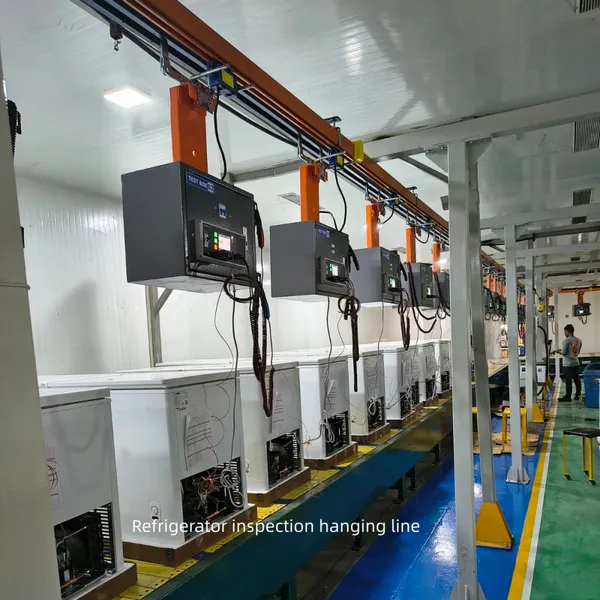
Freezer Hanging Inspection Line
The "ultimate inspection" of a qualified refrigerator: Unveiling the hardcore strength of the refrigerator suspension inspection line
When you open your refrigerator and see the frozen and hard meat rolls, the ice cream with white mist, you may never have thought: This household appliance that can maintain stable cooling for over a decade, before arriving at your home, has undergone a how stringent "ultimate inspection"?
In the production workshops of major appliance brands like Haier and Midea, there is such a "invisible guardian" - it hangs in the air, traveling through various inspection stages with the refrigerator, using data and technology to stamp the quality of each product. It is today's main character: the refrigerator suspension inspection line, the "must-pass test" for a qualified refrigerator.
The wisdom in the air: Why do refrigerators need to be "hung up" for testing?
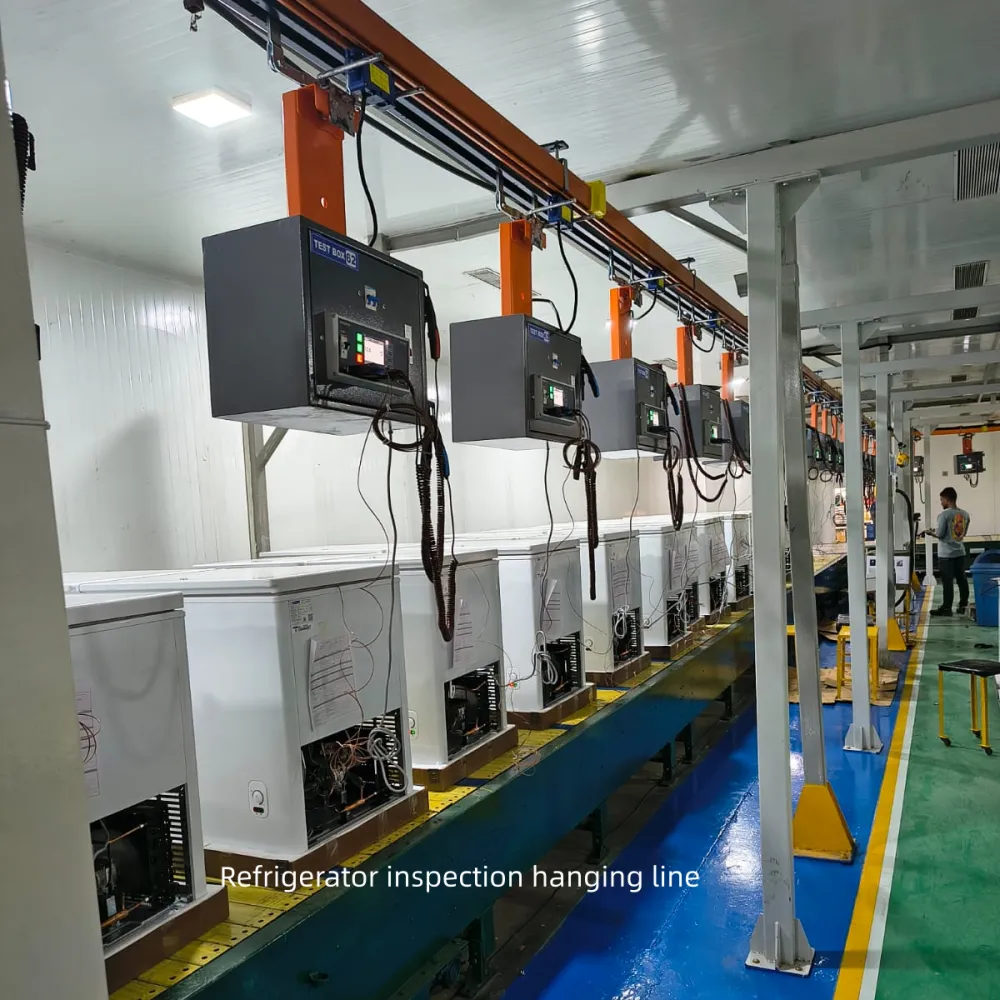
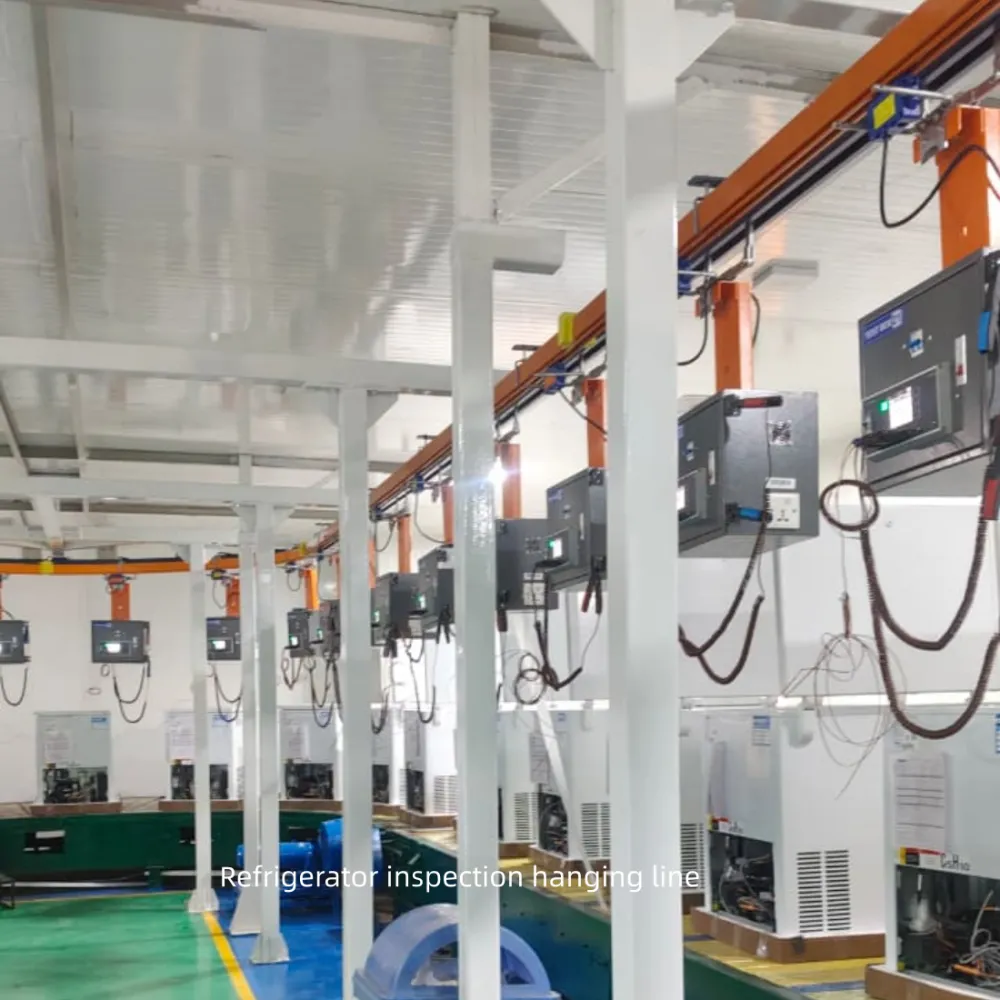
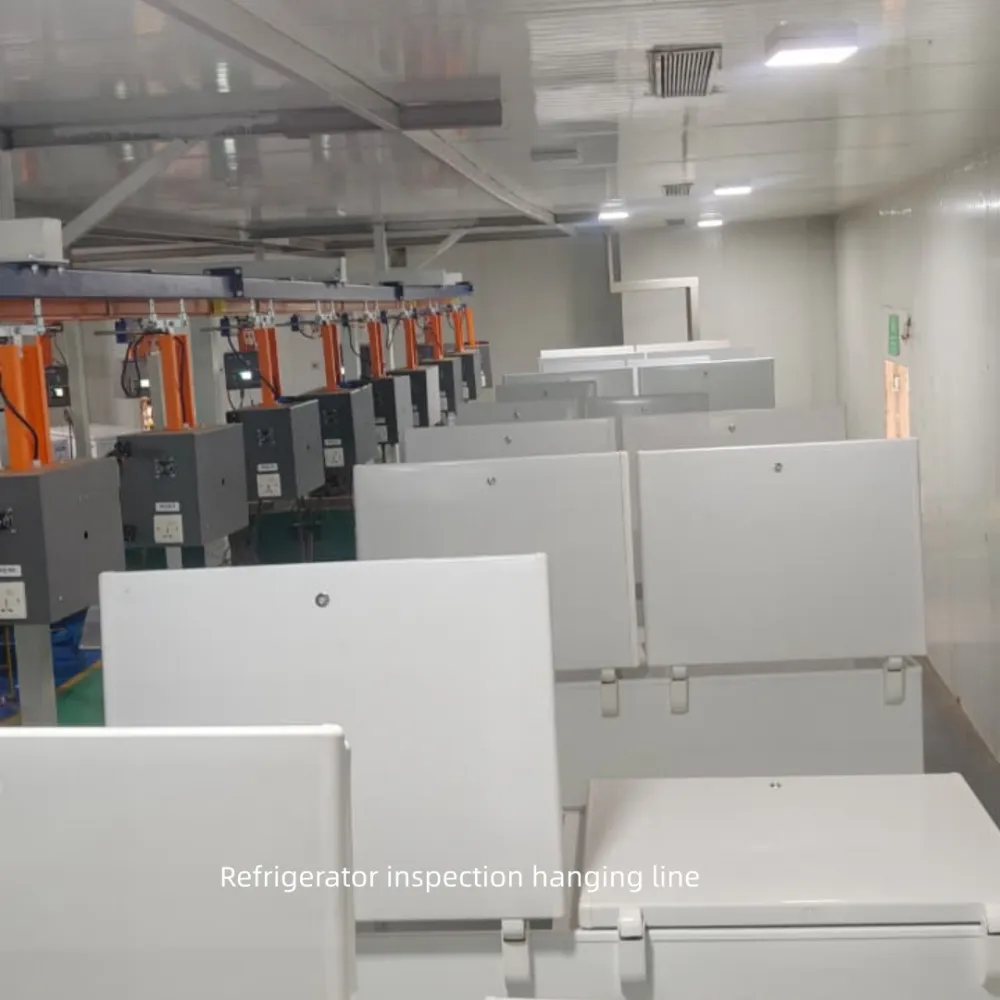
For the first time entering the ice cabinet production workshop, most people would be attracted by those "moving ice cabinets" floating in the air: each assembled ice cabinet is securely supported by special hoists and moves along the track at a constant speed, passing through different inspection stations one after another. This "hanging" design is not for show; it conceals the great wisdom in the production process.
The first step is to protect the cabinet. The outer shell of the freezer is mostly made of sheet metal, and the bottom refrigeration pipeline is also quite delicate. Traditional ground transportation is prone to causing scratches on the cabinet or knocking against the pipeline. The suspended transportation keeps the freezer "off the ground" and running, fundamentally avoiding damage caused by contact with the ground. This is the first line of protection for the product's appearance and core components.
The next advantage is space savings. The production workshops of home appliance factories are extremely limited in space. The floor area must be reserved for core processes such as assembly and packaging. The suspended inspection line utilizes the vertical space, creating a three-dimensional layout of "ground assembly + vertical inspection", which directly boosts the production line efficiency by over 30%. For enterprises with annual production volumes of millions of units, this increase in space utilization means significant cost savings in real terms.
More importantly, the process is controllable. The uniform transmission of the suspension track ensures that each freezer can stay at each inspection station for an exact number of seconds, avoiding the problems of "omissions in rapid inspections" and "long delays in slow inspections" during manual handling, and laying the foundation for standardized inspections.
From security to performance: How many hurdles does a "comprehensive check-up" need to overcome?
If the suspension system can be regarded as the "framework" of the inspection line, then each precise inspection station is like its "nerve endings". For a freezer to pass through here, it must overcome 5 "life-and-death barriers". Any failure to meet the standards will be directly "blocked".
First Level: Electrical Safety "Firewall"
Home appliance safety is no trivial matter, especially for freezers that have long-term contact with electricity. At the electrical inspection station, special equipment will automatically clamp the freezer's plug to test the insulation performance of the power cord and whether the grounding resistance meets the standards - this step is to eliminate the risk of electric leakage and ensure the safety of users during use. Once an anomaly is detected, the system will immediately give an alarm, and this freezer will be automatically diverted to the repair area, with no possibility of "passing the inspection".
Second Level: "Real Skills" in Cooling Performance
The refrigeration effect is the core competitiveness of the freezer. The testing in this section is extremely rigorous. The testing station will first fill the freezer with a calibrated refrigerant, and then simulate the daily usage scenario to start the operation. Sensors will continuously monitor the cooling rate inside the freezer: such as how long it takes to reduce the temperature from 25°C room temperature to -18°C, whether it can maintain this temperature stably, and whether the temperature control panel's adjustment is precise.
"We have strict standards. For instance, the cooling time of a certain household refrigerator cannot exceed 45 minutes, and the temperature fluctuation cannot exceed 2 degrees Celsius." An engineer from an appliance factory told me. "These data will be directly uploaded to the system. Once the standards are exceeded, it indicates that there is a problem with the compressor or the refrigeration circuit."
Level 3: "Long-term Battle" on Operational Reliability
A good freezer not only needs to "cool quickly", but also needs to "last long". At the operation reliability testing station, the freezer will be set to continuous operation mode, while the testing equipment focuses on "listening and identifying" - testing the noise generated by the compressor during operation, the vibration value of the fan, and even the sealing performance when the door is opened and closed.
You may not know that the magnetic sealing effect of the freezer door is also precisely tested: After the door is closed, a special instrument will measure whether the suction force of the door seal is uniform, to prevent air leakage due to poor sealing, which not only wastes electricity but also affects the cooling effect. This process lasts for several minutes and simulates the long-term operation of the freezer to detect potential faults and problems.
Level 4: Appearance and Assembly "Appearance Score + Details"
Apart from the internal performance, the appearance and assembly quality are also very important. At this workstation, some factories have already introduced AI visual inspection systems: high-definition cameras will capture the entire surface of the freezer cabinet from all directions, automatically identifying whether the spraying is uniform, whether there are scratches or dents; the mechanical arm will also check the tightening degree of the screws and whether the assembly gap of the components meets the standards.
For instance, the gap between the door and the cabinet needs to be no more than 0.5 millimeters according to the standard. The visual system can precisely capture this detail. For some minor flaws that AI may struggle to identify, there will also be quality inspectors conducting manual rechecks to ensure that every ice cabinet produced meets the "appearance standards" and has "perfect details".
Level 5: Function Verification - "Comprehensive Literacy"
The final test is called "Function Literacy Check": Every button on the temperature control panel will be tested for its sensitivity, whether the internal lighting is functioning properly, whether the defrosting function can start automatically, and even whether the "delayed lighting-off" function when the door is opened is effective. This step is to ensure that all functions can work properly after the user takes it home, avoiding the embarrassing situation of "discovering that the buttons don't work when you get it home".
Data-driven: Intelligent Upgrade for "Traceability" of Quality
Today's suspended inspection lines for refrigerators are no longer just simple "inspection tools", but rather "data nodes" for intelligent production. Every refrigerator that enters the inspection line is assigned an exclusive "identity card" - a QR code. From electrical testing to functional verification, all data is bound to this QR code and is uploaded in real time to the MES (Manufacturing Execution System).
What does this mean? If a certain freezer has a problem on the market, the manufacturer can quickly trace its inspection data through the QR code: who conducted the inspection, which stage had the problem, and what were the parameters at that time. Thus, the cause of the fault can be precisely identified, and even the production process can be optimized. This "data-based traceability" has transformed quality control from "post-event remediation" to "pre-event prevention".
With the advancement of Industry 4.0, many inspection lines have integrated Internet of Things technology. Managers can view the inspection progress, pass rates, and other data of the production line in real time on their mobile phones. AI algorithms will analyze massive inspection data and issue early warnings for potential production issues - for instance, if the refrigeration time of a certain batch of freezers is generally longer, the system will automatically remind to check the supply quality of the compressor.
Final Note: The Quality Responsibility Hidden in the Details
From the assembly of components to the final production, an ice cabinet is like a "strict examiner" hanging on the inspection line. It adheres to the quality standards in a standardized and data-driven manner. When we choose an ice cabinet in the supermarket, what we see are the brand, capacity and price. But behind them lies the precise monitoring of these inspection devices every second, and the persistent pursuit of "zero defects" on the production line.
Perhaps the next time you open your refrigerator, you will think: This appliance that stores your food and brings convenience to you, once went through a series of "rigorous inspections" on an aerial assembly line before finally arriving at your side. And this is the quality responsibility that technology has bestowed upon appliances.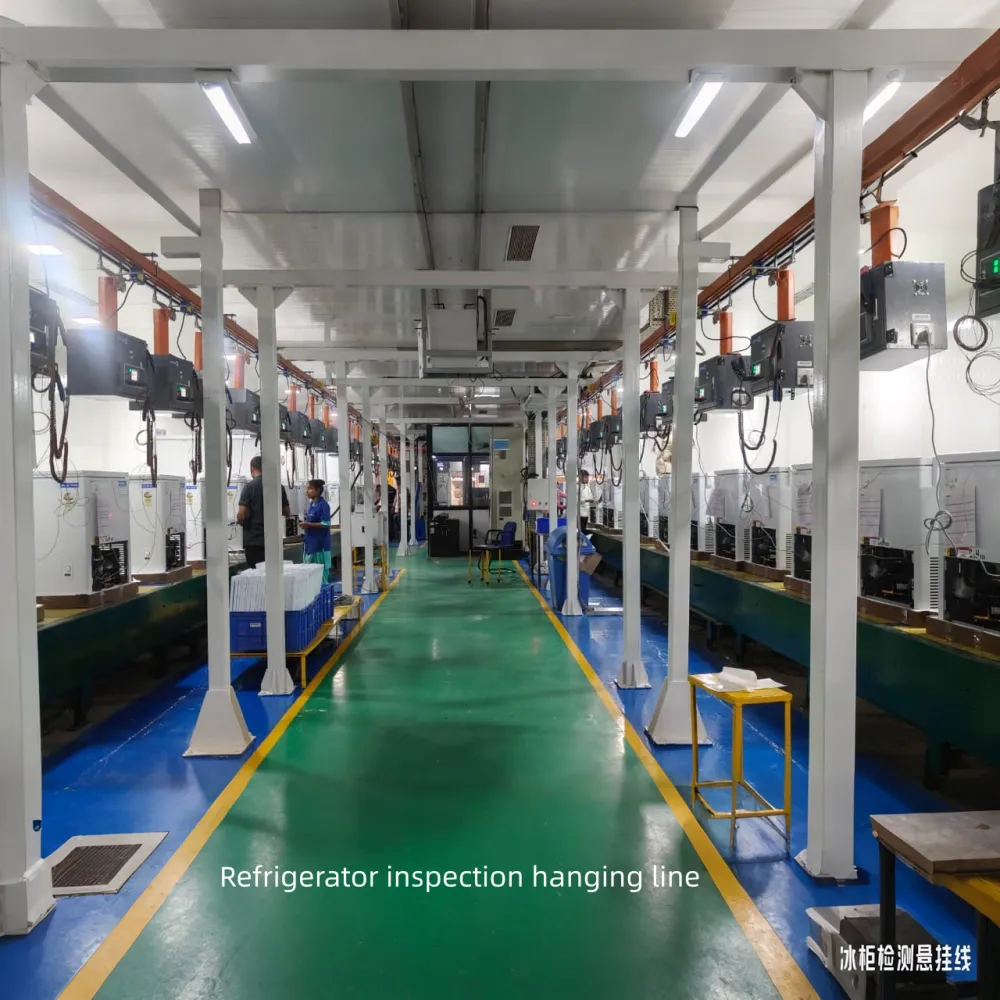
Recently Posted
-
Automatic production line, speed chain assembly line, air conditioning production line, computer ass
October 29, 2025Double Speed chain assembly lineThrough the differential transmission between the chain and the machine tool plate, the production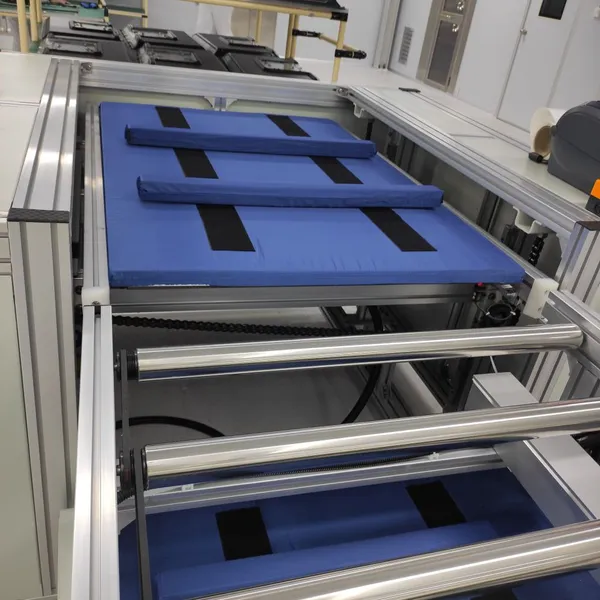 Read More
 -
Non-standard automated production line Turnkey assembly line Home appliance assembly line
October 29, 2025Custom assembly line Non-standard assembly line Custom automated assembly line Bespoke assembly system Non-standard automated prod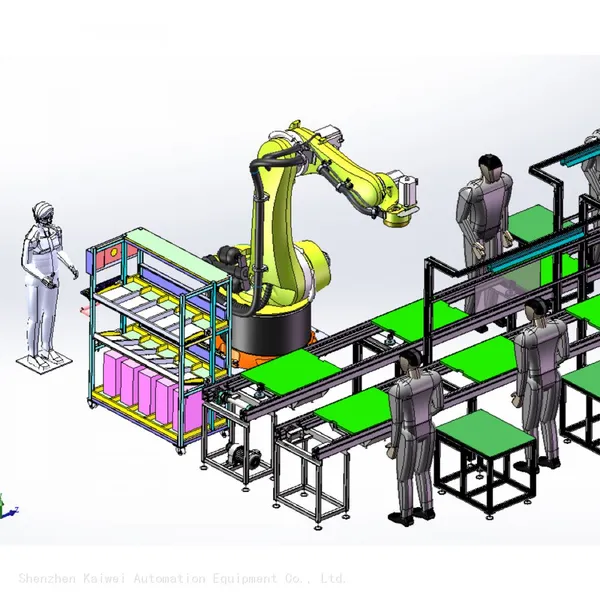 Read More
 -
Educational machine production line, speed chain assembly line, power roller line
October 29, 2025Custom Speed chain assembly lineWe provide tailored speed chain assembly line solutions for educational devices such as learning t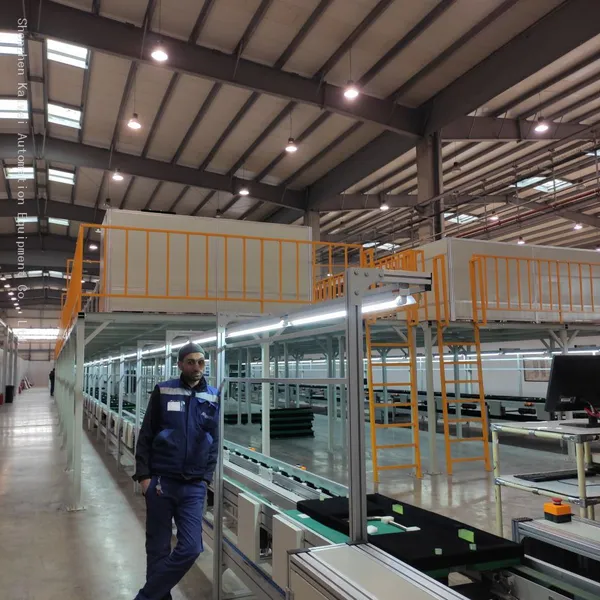 Read More
 -
LED display assembly line, teaching machine touch screen display assembly line
October 29, 2025Customized assembly lineWe offer full-scenario custom assembly line solutions for automated assembly, testing, packaging, and mate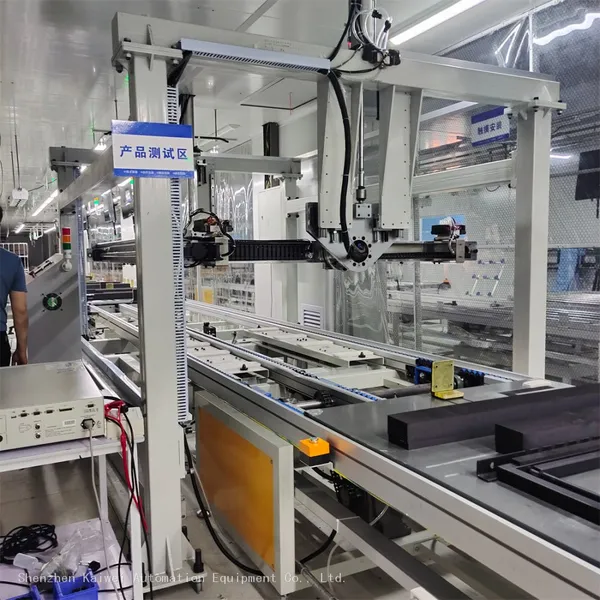 Read More

Contact Us
Recommended Products
-
 Automatic PVC Belt Conveyor Industrial Transport Conveyor Material Handling ConveyorUS$ 700 - 1000MOQ: 1 Meter
 -
LED Display Assembly Line, Teaching Machine Touch Screen Display Assembly LineNegotiableMOQ: 10 Meters
-
Freezer Hanging Inspection Line,Refrigerator Testing Line,Automatic Circulating Production LineUS$ 700MOQ: 1 Combo
-
Conveyor Line Conveyor System Belt Conveyor Roller Conveyor Chain Conveyor Automated Conveyor Assembly Line Sorting ConveyorUS$ 700MOQ: 10 Meters
-
Assembly Line Conveyor Line Conveyor System Belt Conveyor Roller Conveyor Chain Conveyor Automated ConveyorUS$ 700MOQ: 10 Meters
-
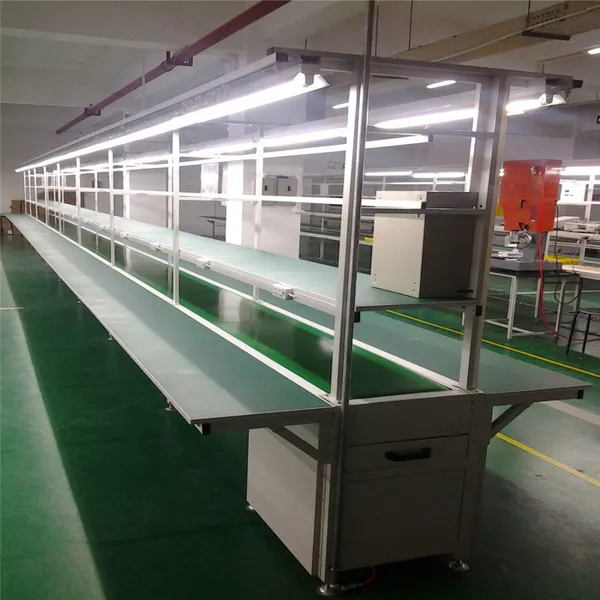
Speeded-up Chain Production Line, Belt Assembly Line, Workbench, Roller Conveyor Line, Automatic Assembly Line CustomizationUS$ 700MOQ: 1 Meter
-
LED Display Assembly Line Customization, Belt Line, Drum Line Automatic Packaging EquipmentNegotiableMOQ: 10 Meters
-
Speed Chain Assembly Line Double Speed Chain Conveyor Line Pallet Chain Assembly Line Industrial AssemblyUS$ 700 - 1000MOQ: 10 Meters
-
Power Roller Production Line, Speed-up Chain Assembly Line, Automatic Continuous Conveyor Line MachineNegotiableMOQ: 1 Meter
-
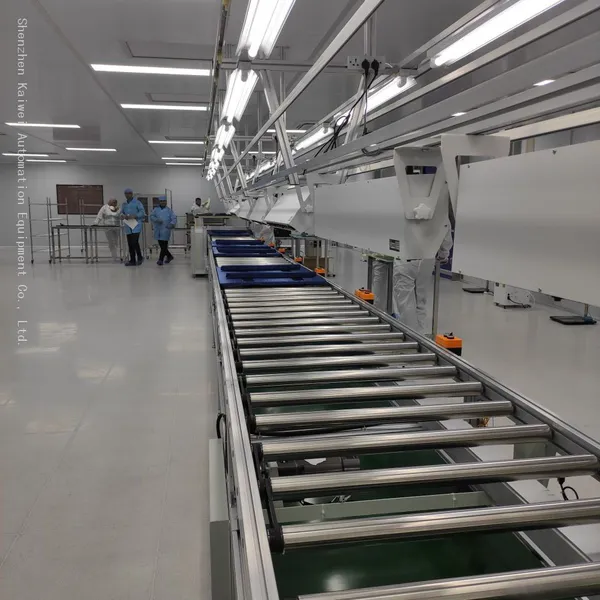
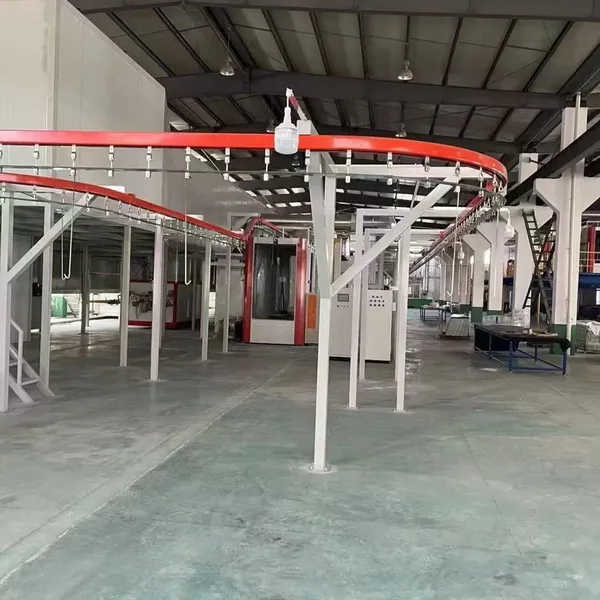
Overhead Conveyor Line Spray Coating Production Line Drying Assembly Line Washing Machine Overhead Circulation LineNegotiableMOQ: 30 Meters
-
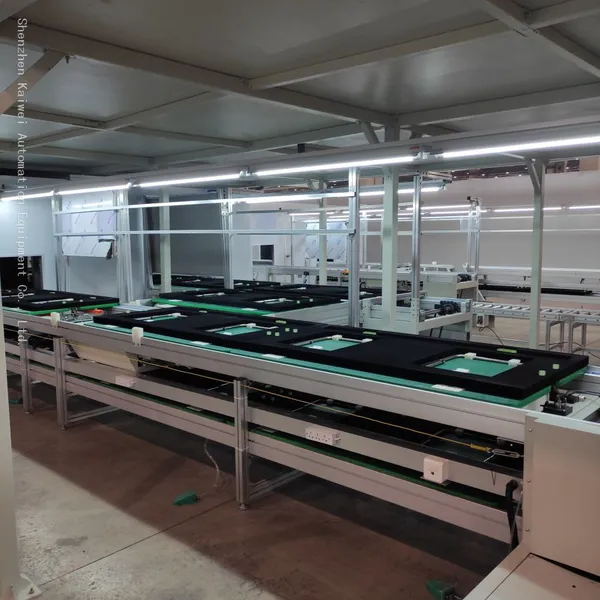
Air Conditioning Production Line, Refrigerator Assembly Line, Conveyor Line, Assembly Line, Assembly LineNegotiableMOQ: 30 Meters
-
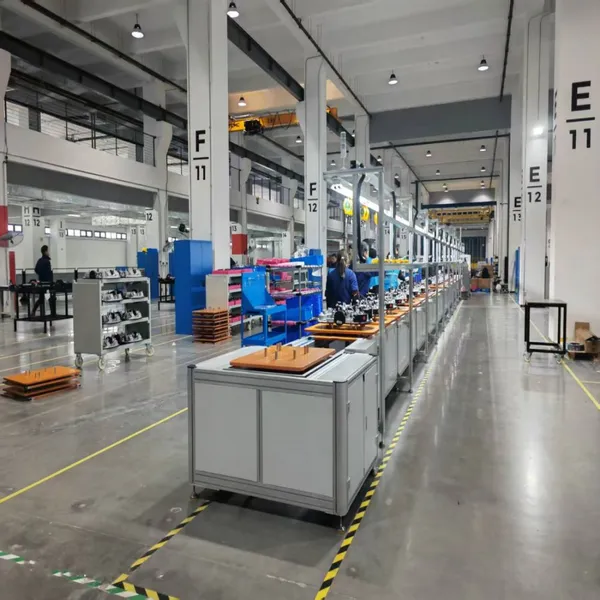
Double Speed Chain Assembly Line Workshop Automation Production Line Equipment Assembly Line With Elevator Tooling Plate Assembly CableNegotiableMOQ: 10 Meters
-
Cleanroom / Purification Workshop Air Shower Cargo Shower / Goods Shower Fan Filter Unit Clean Booth Pass Box Clean BenchNegotiableMOQ: 1 Combo
-
Computer Server Assembly Line, Production Line, Assembly Line, Assembly LineNegotiableMOQ: 30 Meters
-
AGV Production Line Speed Chain Assembly Line, Production Line, Conveyor LineNegotiableMOQ: 30 Meters